
Free Toolkits
Ask a curator: how a private consultation works
A private consultation is a working session, not a sales pitch. Here is what an adviser asks, what they produce, how the fee structures differ and when hiring one actually pays for itself.
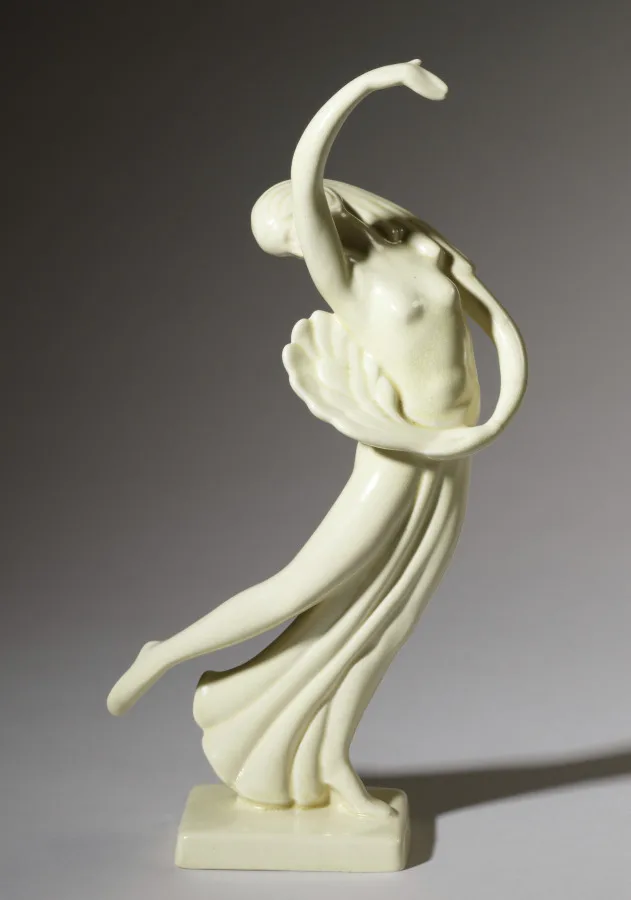
A private consultation is a working session rather than a sales pitch, and the difference shows up in the first twenty minutes. An adviser worth the fee spends that time asking questions and almost none of it recommending anything. They want to know what you have responded to before, what the room is like, what the budget covers over a year and whether you are buying to live with the work or to build a collection with a shape.
People assume this service belongs to buyers spending very large sums. In practice a single consultation is often most useful at the modest end, where a buyer has enthusiasm and no map. An hour with somebody who knows the local gallery scene saves months of wandering and usually pays for itself in one avoided mistake. Advisers who work only at the top of the market will say so plainly when you ask them.
What actually happens in the session
The brief comes first. You describe what you like, what you dislike and what constraints exist, and a good adviser will push back on vague answers until something specific emerges. Bringing images of work you admire helps more than describing it in words, since taste is easier to recognise than to articulate. Photographs of the wall and its dimensions are worth bringing too.
A shortlist follows, usually within a week or two rather than in the meeting itself. It should name specific works with prices, artist background and reasons for inclusion, and it should include options you would probably not have found alone. If the shortlist consists entirely of artists from one gallery, ask about the relationship before you go further.
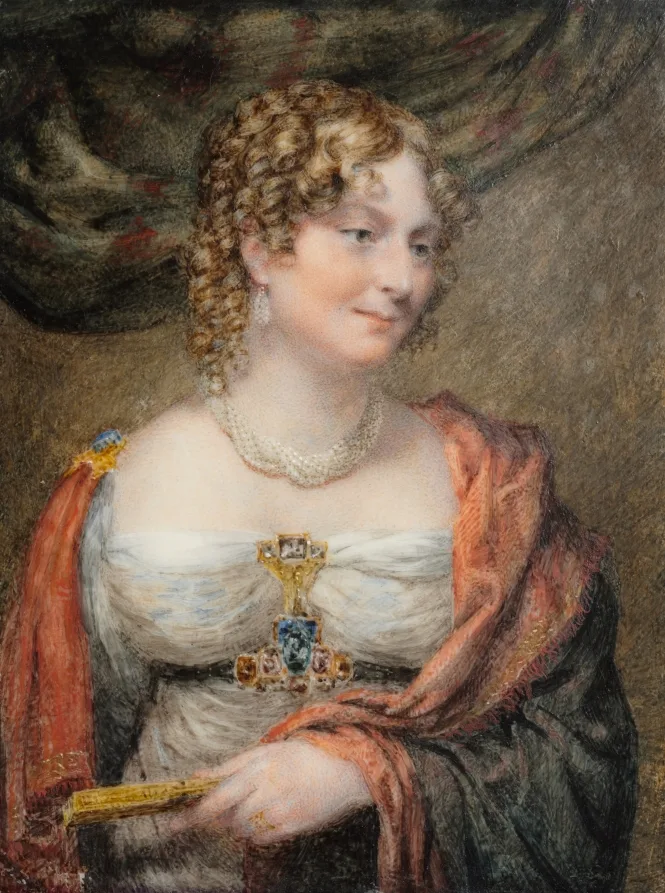
Viewings are arranged next, and this is where the value becomes obvious. Advisers get access to work that is not on public display, including pieces held back for established clients and work still in the studio. They also know which prices have room in them and which do not, which is knowledge no amount of online research will produce. Ask to see what is in the storeroom as well as what is on the walls.
-
1
Come with images of work you already like, plus photographs and measurements of the wall
-
2
State a realistic annual budget rather than a single purchase figure
-
3
Ask how the adviser is paid and whether they hold any gallery relationships that affect the shortlist
-
4
Expect a written shortlist with prices, artist background and reasons for each inclusion
-
5
Use the viewing stage to see work that is not on public display anywhere
-
6
Confirm who handles invoicing, condition reports, framing and delivery once you decide
Fee structures vary and you should establish yours before anything else. Some advisers charge an hourly or flat consultation rate, some take a percentage of what you spend, some work on annual retainer. A percentage model gives the adviser an interest in you spending more, which is not disqualifying but is worth naming out loud at the start. Put the arrangement in writing before the first viewing is booked.
When an adviser is worth the money
Three situations justify the cost easily. You are buying in a city or a category you do not know, you are working to a deadline such as a new house, or you are considering a purchase large enough that a second informed opinion is cheap insurance. Outside those cases a single paid session for orientation often does the job, and you go back to buying on your own afterwards.
The useful adviser spends the first meeting asking questions. Anyone who arrives with a recommendation already prepared is selling inventory rather than advice.
Ask for a consultation on your own terms. Send the images that interest you, state the budget honestly and say what the work is for. The quality of the response to that message tells you most of what you need to know about whether to continue. A vague reply to a clear brief is itself a useful answer.
Frequently asked questions
What does a curator consultation cover?
A curator will look at what you already own, ask what you want the collection to do, and suggest artists, venues and price bands. Some will also visit a fair with you or review a work before you buy.
How much does it cost?
Independent advisors charge by the hour or take a percentage of purchases, typically between five and ten percent. A percentage fee creates an incentive to spend, so ask which model they use before you begin.
Do I need an advisor to collect well?
No. Many collectors never use one. An advisor saves time and opens doors at galleries with waiting lists. Whether that is worth paying for depends on your budget and on how much you enjoy the looking yourself.
Not sure which step comes next?
Stuck on this step?
Ask about your own case
Send us the work, the price or the seller you are unsure about. We read every message and answer by email — no bot, no sales call.
Some links in this guide are partner links, labelled [affiliate] where they appear. If you buy through one, we get a small commission and your price stays the same. How we decide what goes in a guide.
Last reviewed: