
Primer Notes
Paper and board from 1895 to 1905: how the support gives away a fake
Forgers can copy a hand. Copying the sheet is much harder, because the paper industry changed several times in the last hundred years and each change left a trace you can test for.
A drawing is two objects at once: an image and a sheet of paper. Most attention goes to the image, which is exactly why the sheet is the better place to start. Paper manufacture changed repeatedly across the twentieth century, and each change left evidence that a forger has to work around. Reading the support takes a light source, a loupe and about five minutes.
Hold the sheet up to a window or a lamp. Laid paper shows a grid of close parallel chain lines and wider wire lines from the mould, while wove paper shows an even texture with no lines at all. Both were in use during this period, and both appear in the descriptions museums publish. Knowing which one you are holding narrows the field before you consider anything else.
Watermarks and the mill behind them
A watermark is the clearest single piece of evidence a sheet can carry. It names the mill or the paper line, and mill marks changed over time, which means a watermark can rule out a proposed date outright. Not every sheet has one, since the mark sits in part of the mould and many sheets were cut from areas without it. When a watermark is present, photograph it against the light before anything else happens to the sheet.
Wood pulp is the other date marker. Cheap papers of this period contain groundwood, which yellows and grows brittle from the inside, so an ordinary sheet from 1900 tones evenly across its whole surface. Rag papers age far more slowly and can still look fresh. A sheet claimed for 1900 that is bright white and flexible has to be explained by fibre, not by good storage alone.
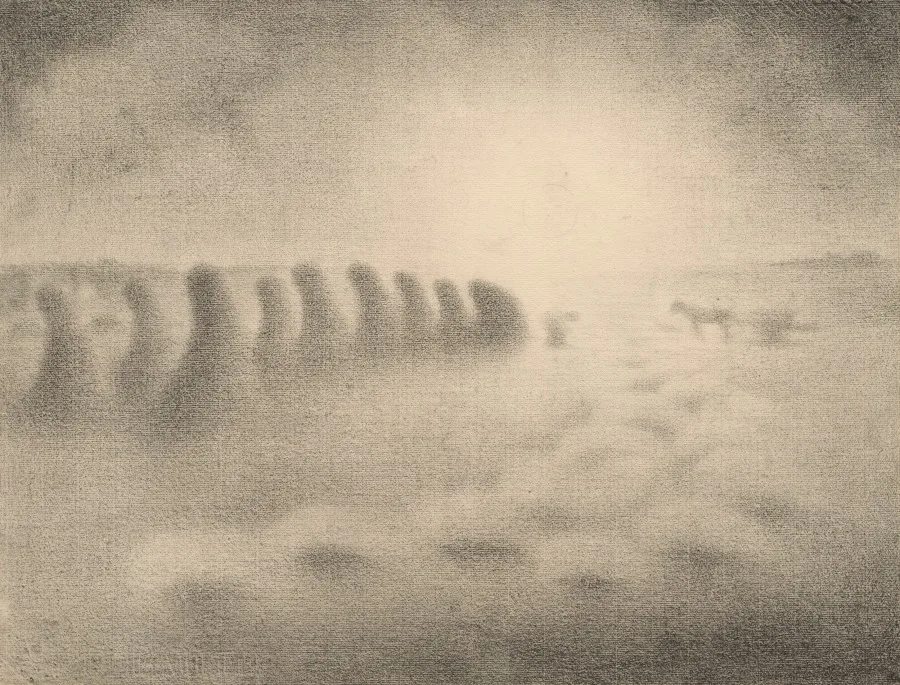
Ultraviolet light is the fastest test in the room and it costs very little. Papers made from around the middle of the twentieth century onward often contain optical brighteners, which glow a cold blue under ultraviolet. A sheet that lights up like that was not made in 1900, whatever the drawing on it looks like. The same lamp shows repairs, replaced corners and areas of bleaching as patches with a different response.
- Look through the sheet against a light and record whether it is laid or wove
- Photograph any watermark or countermark in transmitted light before handling continues
- Run an ultraviolet lamp across both sides and note anything that glows blue
- Check the edges for a deckle, a clean guillotine cut or the ragged line of a torn sheet
- Look at the back for old hinges, tape residue, mount burn and previous glue
- Compare the tone at a protected edge against the exposed centre of the sheet
Artificial ageing is common and usually clumsy. Tea and coffee staining sits on the surface rather than in the fibre, tends to pool at the edges and often stops abruptly where the forger stopped brushing. Genuine light damage follows the shape of an old mat window, so the covered border stays lighter than the exposed image. Toning that ignores that geometry is a manufactured effect.
Board, mounts and the damage they cause
The board behind a sheet is part of the object in practice. Acidic backing boards from the twentieth century burn a brown line into the paper at the mount edge, and that mount burn is permanent. It also tells you the sheet spent decades in a frame, which is useful history. Where a drawing has been laid down on board completely, expect a serious reduction in price and get the reason for the lining in writing.
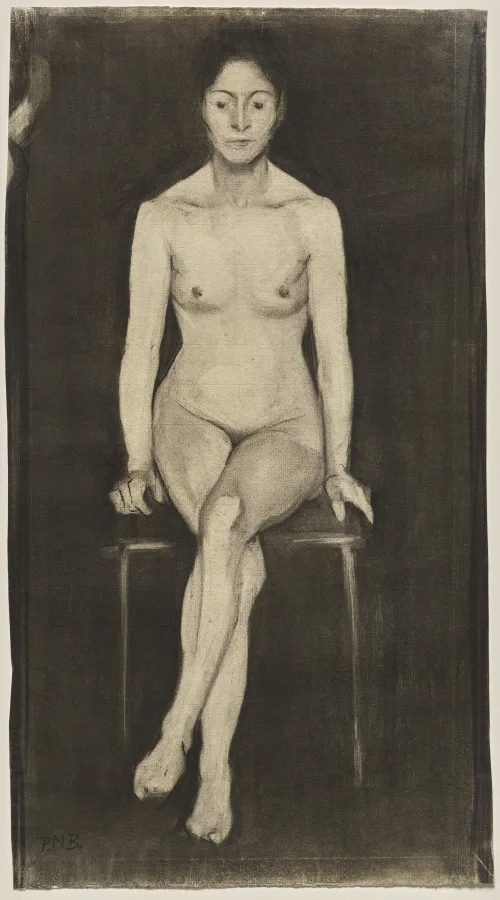
The image is what a forger studies and the paper is what a forger has to find, which is why the paper answers first.
Conservation departments publish more of this material than collectors expect, and the online resources at Tate include catalogue entries that describe supports in useful detail. Read how an institution records paper and then ask your seller the same questions. Most listings collapse the whole subject into the word paper, and that is a gap you can price.
Frequently asked questions
How does paper help date a drawing or print?
Watermarks, the presence of wood pulp (which browns and goes brittle), machine versus mould made texture and the size of the sheet all narrow the date. A dated watermark gives you the earliest possible year, not the actual one.
Is foxing a serious problem?
Foxing, the brown spotting caused by mould or metal impurities, is common on paper from this period and can be reduced by a paper conservator. It affects value modestly unless it sits on the image.
What is the difference between board and mounted paper?
Board is a thick, layered card that artists painted or drew on directly. Mounted paper is a sheet glued to a backing, sometimes long after the work was made. The second needs checking, because old glues damage the sheet.
Still deciding? Take the next step.
Stuck on this step?
Still unsure what this means for you?
Notes stay general on purpose. Describe your own case — the work, the price, the seller — and we will answer by email.