
Primer Notes
Catalogues raisonnes: how to check a turn of the century work against one
Sellers quote catalogue numbers because they close a conversation. Opening the book and reading the entry is a different exercise, and it is where most of the useful information lives.
A catalogue raisonne is an attempt to list everything an artist made in a given medium, with dimensions, materials, provenance and exhibition history for each work. When a seller quotes a number from one, they are borrowing that authority. The number itself proves nothing until you have read the entry and compared it against the object. That comparison is the whole exercise.
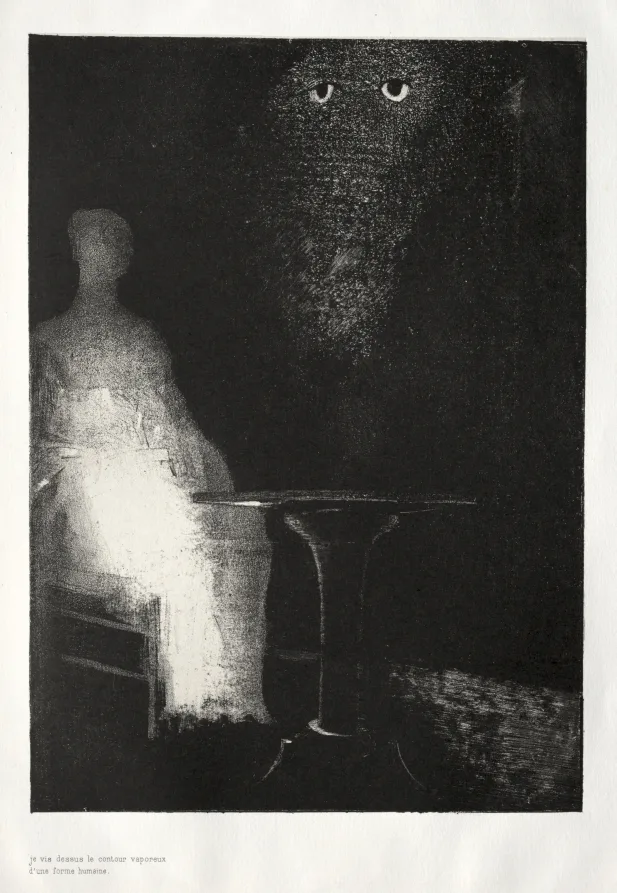
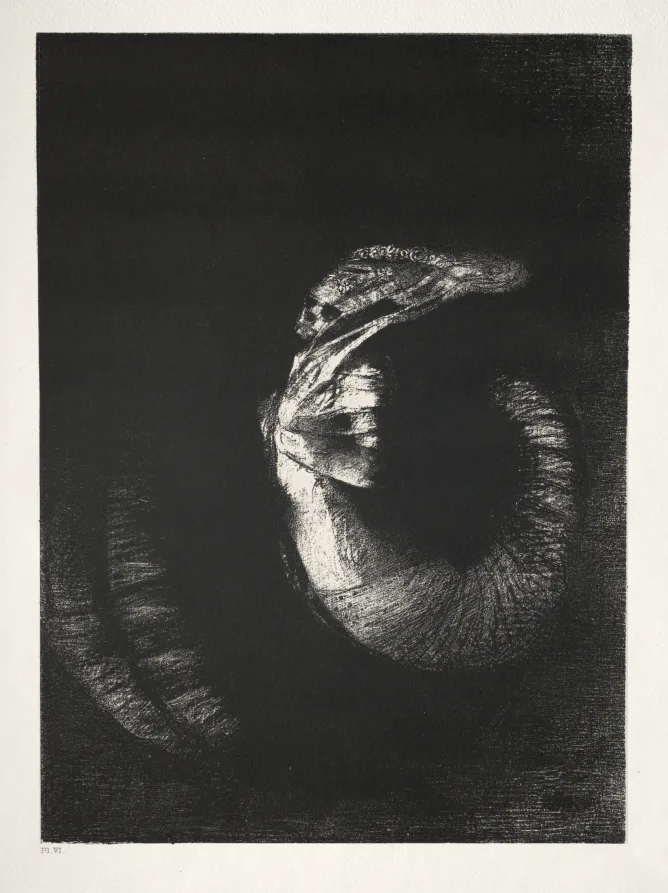
For prints of this period the habit is well established, and collectors quote compiler names as shorthand for the reference. Print catalogues by Loys Delteil and the Redon catalogue compiled by Andre Mellerio are the sort of works dealers cite by author and number. When you hear a number, ask which book and which edition it comes from, because numbering can change between editions and supplements.
Reading an entry properly
An entry gives you facts you can measure. Dimensions come first, since a work that differs from the listed size by more than the tolerance of an old measurement is either a different object or a trimmed one. Medium and support come next, and a listed oil on panel does not become an oil on canvas because someone relined it. Where the entry reproduces the work, compare details rather than the general impression.
Provenance in the entry is a chain, and the object in front of you has to fit into it. If the catalogue records a work in a named collection in the 1920s and your seller has no history before the 1990s, the gap needs an explanation. Gaps are normal after a century, and honest sellers say so. What should worry you is a provenance that contradicts the entry rather than one that is simply incomplete.
Not being in the catalogue is not the same as being wrong. Works surface after publication, compilers make errors, and material held privately for decades never reached the person doing the research. What matters is how the seller handles the absence. A claim that the work will appear in a forthcoming supplement is only meaningful when there is a named project accepting submissions and a record of the submission.
- Ask which catalogue and which edition the quoted number comes from
- Measure the work yourself and compare both dimensions against the entry
- Check the medium and support word by word rather than in summary
- Read the provenance chain and mark where your seller history starts
- Look for a supplement or a revised edition that may have renumbered the work
- Where a committee exists, find out what it requires and whether it has seen this work
Authentication committees are a separate matter from catalogues and they change over time. Some have closed, some issue opinions rather than certificates, and some require the physical work in front of them. A certificate from a body that no longer operates still has value as a document, though a buyer in ten years will want to know who signed it. Keep the paperwork with the object and never let it travel separately.
What the book cannot settle
A catalogue entry describes a work, and a work can be damaged, restored or replaced between publication and the sale in front of you. Nothing in a book tells you about a relining done in 1985 or a print washed and bleached in the 1970s. Condition sits outside the catalogue and has to be examined on the object. Buyers who treat the number as a guarantee are buying the entry rather than the thing.
A catalogue number is a hypothesis with a page reference, and the object either confirms it or does not.
Museum records are the cheapest way to practise this reading, since entries at the Museum of Modern Art and the Metropolitan Museum of Art follow the same discipline. Compare an institutional entry against a dealer description of a comparable work. The difference in what each one is willing to state is the lesson.
Frequently asked questions
What is a catalogue raisonné?
A scholarly listing of every known work by an artist, with dimensions, dates, provenance and exhibition history for each entry. If a work is not listed, that does not always mean it is wrong, but it does mean more questions.
How do I check whether a work is in the catalogue?
Find the catalogue in a major library or online, since many are now digital, search by title, date and dimensions, then compare the photograph. If the entry exists, the number is worth quoting in any sale.
What if the catalogue is out of date?
Most are. Committees publish supplements and corrections, and some maintain online databases. Contact the foundation or committee for a written opinion if the sum involved justifies it.
Still deciding? Take the next step.
Stuck on this step?
Still unsure what this means for you?
Notes stay general on purpose. Describe your own case — the work, the price, the seller — and we will answer by email.