
Primer Notes
How to read a certificate of authenticity
A certificate of authenticity carries no legal force on its own and no central body issues one. What gives it weight is who signed it and how precisely it describes the object in front of you.
A certificate of authenticity is a piece of paper saying a work is what the seller claims it is. It carries no legal force on its own, and no central body issues or registers these documents. What gives a certificate weight is the identity of the signer and the precision of what the document actually describes. A handsome certificate signed by nobody in particular is decoration with a seal on it.
Most buyers glance at the seal and file the sheet away without reading it. That is the wrong order. Read the certificate before the money moves, because the moment to ask for a missing detail is while the seller still wants the sale. Once the crate is standing in your hallway, a request for a corrected document turns into a favor you have to ask for.
What a useful certificate contains
The document should name the work precisely enough that it could not be confused with another one. That means title, year, medium, exact dimensions in both height and width, and a photograph of the actual object rather than a stock image of something similar. Edition works need the edition number and the total size of the edition. Anything vague enough to fit two different paintings is not doing its job.
It should also name the signer and explain why that person is entitled to sign. An artist certifying their own work is the strongest case available for contemporary art. An estate or a foundation holding the artist records comes next, since those bodies keep the archive. A gallery that sold the piece can confirm the transaction but cannot, on its own, confirm attribution for work it did not commission.
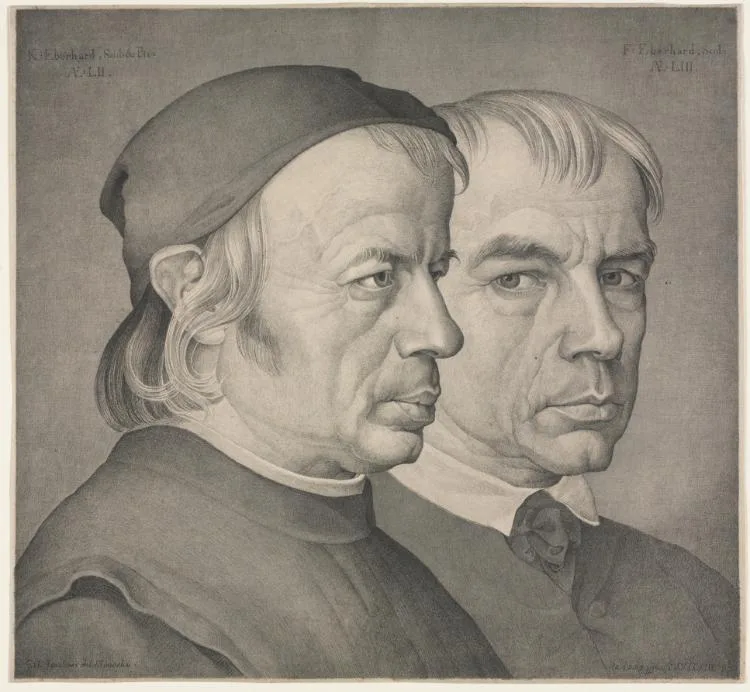
Certificates for prints and photographs carry extra weight because the object is reproducible by design. Here the paper should record the printer, the year of printing, whether the edition is posthumous, and what happened to the matrix or the digital file. A photograph printed in 2019 from a negative made in 1968 is a legitimate object with a legitimate market. It is not, however, the same thing as a print made at the time.
-
1
A named signer with a stated relationship to the artist, not an anonymous seal or a scanned squiggle
-
2
Exact dimensions, medium and year of the work, written out rather than approximated
-
3
A photograph of the specific object, ideally with a detail of the signature or an inventory mark
-
4
An edition number and the full edition size for anything printed, cast or otherwise multiplied
-
5
A date of issue and a working way to reach the issuer, such as an address that still exists
-
6
Nothing at all about future value, since a valuation claim on a certificate is a sales device
Red flags cluster in predictable places. Certificates that appraise the work in dollars are selling you a number rather than a fact. Documents signed by an unnamed expert, or by a company whose only visible activity is issuing certificates, should be treated as worthless. So should any certificate that arrives after payment instead of travelling with the work.
How to check the certificate itself
Verification is simpler than it sounds and almost nobody does it. Write to the person or organization named on the paper and ask them to confirm the document. Estates and foundations answer this kind of message as a matter of routine, and a certificate that cannot be confirmed by its own signer has already told you what you need to know. Keep the reply filed with the certificate, because the next owner will want to see it.
A certificate proves that a person made a claim. Provenance proves that the object has a history. They are two different documents and a buyer needs both of them.
Treat the certificate as one item in a folder rather than as proof standing on its own. The invoice, the shipping record, an exhibition label on the reverse and any correspondence with the gallery all carry weight, and together they are far harder to fake than a single sheet. Store copies somewhere that is not your house. Collectors who sell well are usually the ones who kept the paperwork.
Frequently asked questions
What should a certificate of authenticity include?
The artist's name, the title, date, medium and dimensions, the edition number if there is one, a photograph of the work, and the name and signature of whoever issued it. A certificate missing any of these is a decoration.
Who is entitled to issue a certificate?
The artist, the estate or foundation, or an authentication committee recognised by the market. A gallery certificate confirms that the gallery sold the work, which is useful, but it is not the same thing.
What if the work has no certificate at all?
For most work under a few thousand dollars, that is normal. Provenance and an invoice from the seller do the same job. Ask the artist for a signed letter if you want a document on file.
Still deciding? Take the next step.
Stuck on this step?
Still unsure what this means for you?
Notes stay general on purpose. Describe your own case — the work, the price, the seller — and we will answer by email.