
Getting Started
How to start an art collection
A collection begins at the second purchase, when one work starts to argue with another. Here is how to get from a single picture to a group that holds together, without spending more than you meant to.
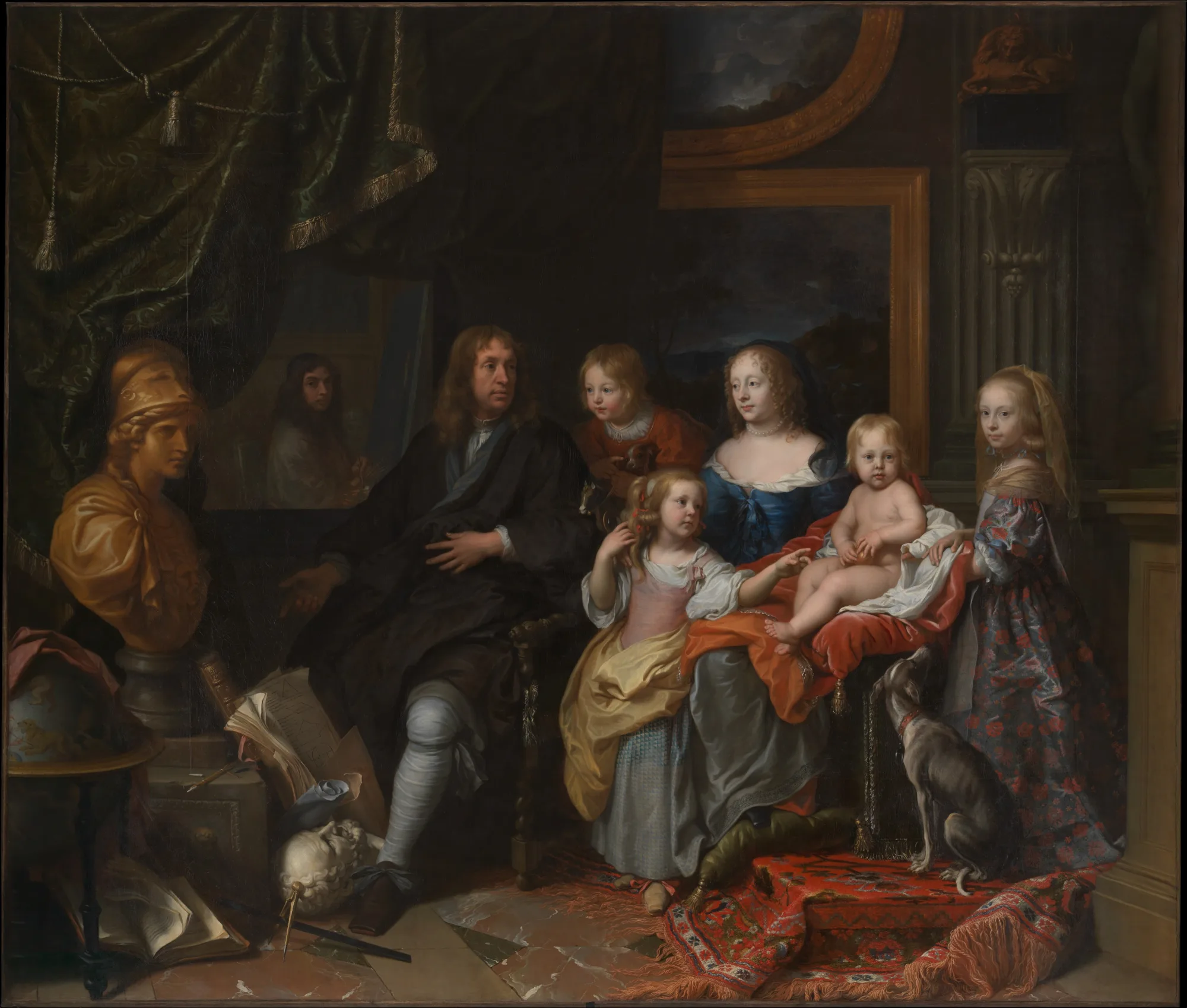
A collection begins at the second purchase, the moment one work starts to argue with another. Before that you simply own a picture, which is a fine thing to own and a different activity altogether. The distinction matters because collecting is a habit with a direction, and the direction is what makes a group of works more interesting than any single object in it. Almost everyone who ends up with something worth keeping spent the first year buying slowly and looking a great deal.
The common mistake is to start with a number rather than with your eyes. A budget set before you know what you like turns into a shopping list, and shopping lists get filled with the safest available option. Give yourself three months of gallery visits, degree shows and auction previews with no purchases at all. Most people find that their taste is narrower and stranger than they expected, and that is the single most useful thing they learn in the first year.
Set the budget after you set the taste
Once you know what pulls you across a room, a number becomes much easier to choose. Annual spending works better than a ceiling per work, because it forces you to weigh one purchase against another across a whole year. Many collectors settle on a figure they would otherwise spend on a holiday and then treat it as fixed. That constraint does more for the quality of a collection than a larger budget with no discipline attached to it.
Entry level prices are wider than most guides admit. Works on paper and small editioned prints by living artists with a real exhibition record sit at the bottom, unique paintings by those same artists cost several times more, and anything with an active secondary market moves into another bracket again. Read those as rough orders of magnitude rather than as a price list. The actual numbers shift by city, by medium and by how long the artist has been showing.
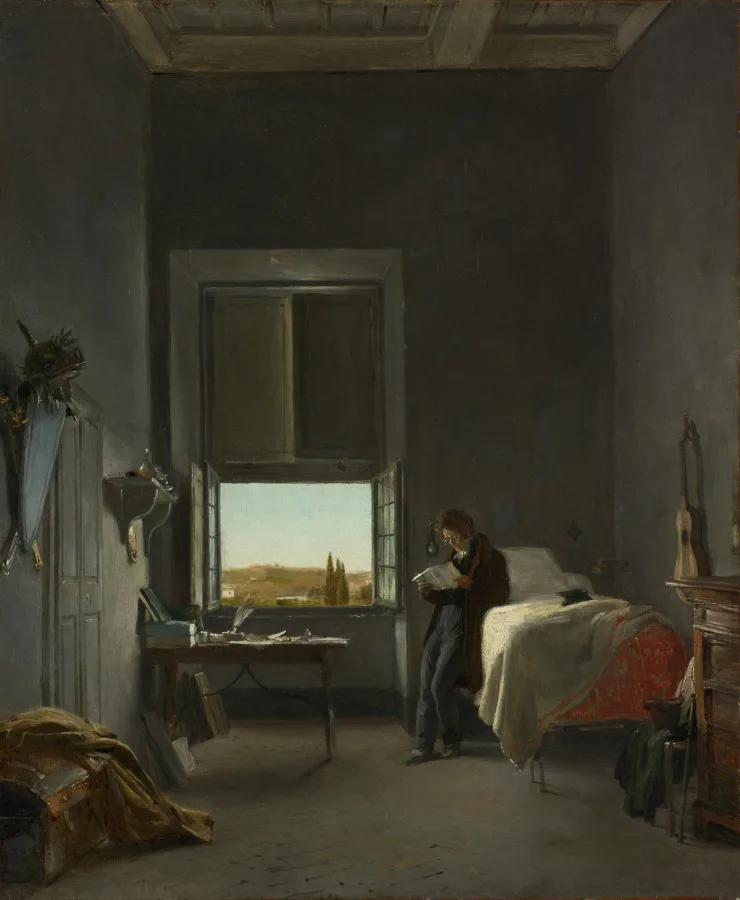
Buying straight from an artist is the cheapest route and the most demanding one. You get the studio price with no gallery margin on top, and you also get no filter, no condition report and nobody to call when the stretcher warps in a dry flat. Galleries charge for that filter and for the work of deciding which artists deserve a room. Whether the margin is worth paying depends entirely on how much time you are willing to spend learning to judge work yourself.
- Spend three months looking before the first purchase, and keep notes on which works stay with you afterwards
- Fix an annual budget rather than a price per work, then hold to that figure for a full year
- Start with works on paper, which cost less and tell you more about how an artist actually draws
- Buy a second work by an artist you already own before you add a new name to the collection
- Ask for the invoice, the condition notes and the exhibition history in writing on every purchase
- Keep the paperwork with the work, because a missing invoice costs real money when you come to sell
That last point sounds like clerical work and it is the part most first collections get wrong. A painting with a clean file behind it, invoice, gallery correspondence, exhibition record, sells years later without an argument. The same painting with nothing attached loses a slice of its value while somebody tries to reconstruct where it came from. Filing takes ten minutes per purchase and it is the cheapest insurance available to a private buyer.
What a first collection should look like after five years
Five or six works by two or three artists is a better result than twenty works by twenty artists. Depth reads as intention, and it also means you learned enough about somebody to want them twice. Collections that spread thin usually belong to a buyer who followed fairs rather than a buyer who followed an interest. The narrow version is easier to live with, easier to lend and considerably easier to sell if you ever need to.
The first year of collecting is not about acquisition at all. It is about building the reference library in your head that lets you recognise a good picture in a bad room.
If you take one habit from this, take the second purchase rule. Going back to an artist you already own forces you to look at their work critically rather than romantically, because you now have a benchmark hanging at home. That habit turns a set of souvenirs into a collection faster than any amount of reading, and it costs nothing to adopt.
Frequently asked questions
How much money do I need to start collecting art?
Less than most people assume. Prints, drawings and small works by artists early in their careers sell for a few hundred dollars at open studios and graduate shows. The habit of looking matters more than the budget at the start.
Should I buy what I like or what might go up in value?
Buy what you like. Almost nothing bought for under a few thousand dollars resells at a profit, and a picture you dislike costs you every day it hangs. If it also gains value, treat that as a bonus.
Where should a first time collector look?
Degree shows, artist run spaces, print fairs and the smaller galleries in your own city. They let you talk to the people who made or sold the work, which is how you learn what a fair price looks like.
Not sure which step comes next?
Stuck on this step?
Ask about your own case
Send us the work, the price or the seller you are unsure about. We read every message and answer by email — no bot, no sales call.
Some links in this guide are partner links, labelled [affiliate] where they appear. If you buy through one, we get a small commission and your price stays the same. How we decide what goes in a guide.
Last reviewed: