
Primer Notes
What first time buyers get wrong about art prices
The number on a gallery label looks like a measurement and works like a proposal. Here is how it gets built, which parts of it are negotiable and what a first time buyer should ask before agreeing to it.
A price on a gallery label looks like a fact. It is closer to a proposal, assembled from the exhibition record of the artist, the size of the work, what the gallery sold last season and what the dealer thinks you will pay. First time buyers read the number as a measurement of quality, then feel cheated when a similar picture across town costs half as much. Understanding how the number gets built removes most of that frustration and quite a lot of the fear that goes with it.
The first mistake is treating size as the main driver. Studios often price by the square inch because it gives a defensible starting point, and buyers absorb that logic without questioning it. A small painting by an artist with three museum shows behind them is a better purchase than a large one by somebody who has never left the local fair circuit. Square inches are easy to count, which is exactly why they carry more weight than they deserve.
Where the number actually comes from
Primary market prices are set by the gallery in conversation with the artist, and they move in slow steps. A dealer who raises prices twenty percent in a year without matching sales creates a problem for every collector already holding the work. Serious galleries therefore raise prices after a show sells out, after a museum acquisition, after a residency that carries weight in the field. If you ask why a price went up and get no specific answer, that silence is worth noticing.
Secondary market prices behave differently. An auction result is a public record of what two determined bidders did on one afternoon, and it can sit far above or far below what the same work would fetch a month later. Buyers quote a single hammer price as proof of value and skip the unsold lots, which never get reported anywhere convenient. A price history built only from successes describes a market that does not exist.
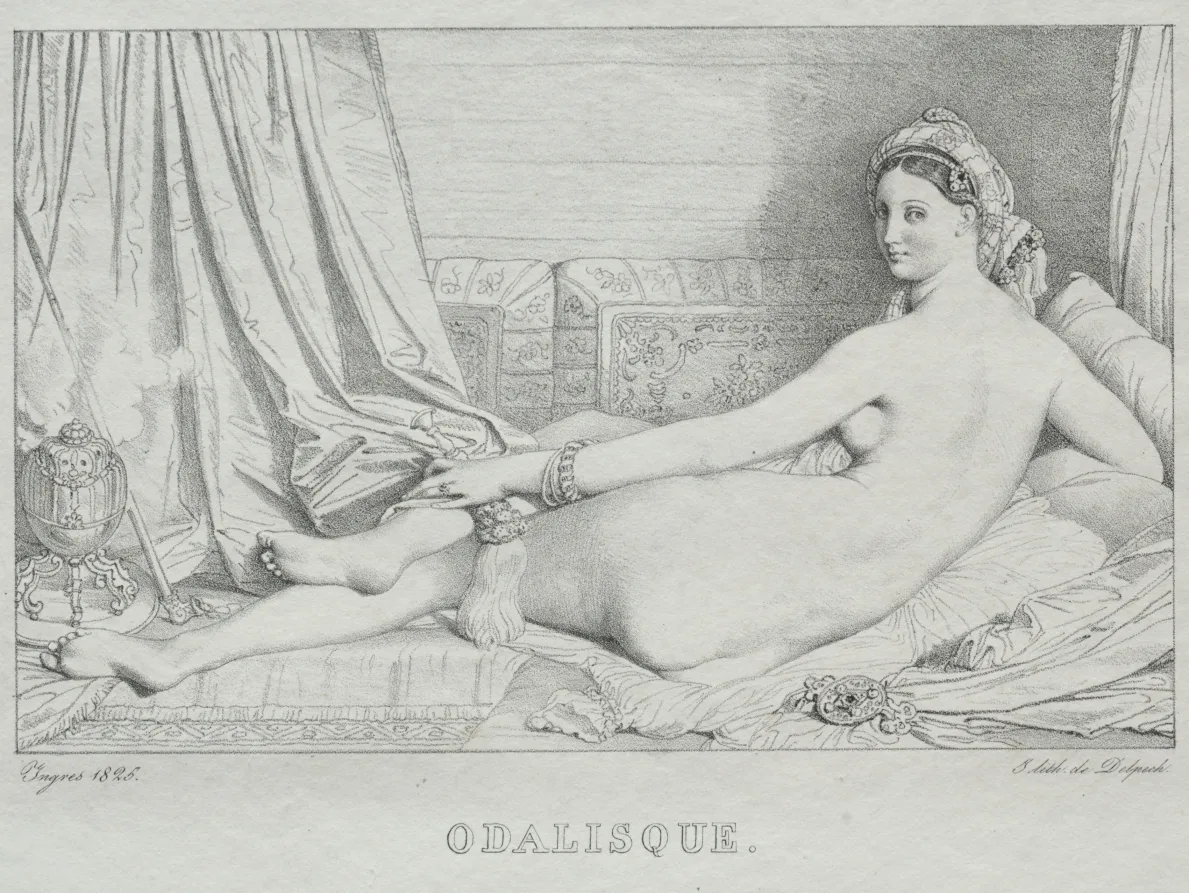
Editions confuse people more than anything else in the room. A print in a numbered edition of thirty is not a cheaper version of a unique work, it is a different object with its own market and its own buyers. The number in the corner tells you how many exist on paper and nothing about how many were actually printed, sold or destroyed. Ask about the full edition including artist proofs, and ask whether the plate or the file still exists.
-
1
Ask what the same artist sold for two years ago and whether the gallery can show you an invoice
-
2
Separate the cost of the frame from the cost of the work, since a good frame can add a third to the total
-
3
Treat shipping, insurance and any import duty as part of the price rather than as an afterthought
-
4
Confirm whether the quoted figure includes sales tax, because the answer changes by country and by seller
-
5
Find out if the gallery offers a payment plan, which many do quietly and almost none advertise
-
6
Compare against works of similar date and scale rather than against the single best result on record
Those questions sound aggressive on paper and land as completely normal in a viewing room. Dealers who sell to collectors rather than to tourists expect them, and the ones who bristle are telling you something useful for free. The awkwardness passes in about thirty seconds and the habit pays for itself on the second purchase. Nobody who works in the trade thinks a buyer is rude for asking what a thing cost last year.
What a fair price feels like
A fair price for emerging work is one you could explain to somebody who does not care about art at all. The artist has shown here, sold there, the work took this long, comparable pieces went for that. If the explanation runs to a single sentence about investment potential, the price is a guess wearing a suit. Nobody selling a serious picture needs to promise you a return on it.
The number on the label is the beginning of a conversation rather than the end of one. Buyers who treat it as fixed pay more and learn less.
None of this makes art pricing rational. It makes it legible, which is enough for a first purchase and for the ten that follow. Buy the work you keep returning to, pay a price you can explain to yourself the next morning, and keep every document the seller hands you. The rest of it is patience, and patience costs nothing.
Frequently asked questions
Why is a gallery price so much higher than the artist's own price?
The gallery adds its share, usually half, plus the cost of the show, the catalogue and the rent. The artist's studio price is often lower for the same work, but buying around the gallery can damage the relationship the artist depends on.
Can I negotiate the price on a gallery label?
Politely, and within reason. A ten percent discount for a returning client or for a purchase of two works is common. Asking for a third off signals that you have not done the reading.
Does a higher price mean a better painting?
No. Price tracks demand, exhibition history and the size of the work. Quality is one input among many, and the cheapest picture in the room is often the one worth buying.
Still deciding? Take the next step.
Stuck on this step?
Still unsure what this means for you?
Notes stay general on purpose. Describe your own case — the work, the price, the seller — and we will answer by email.