
Getting Started
Buying art online safely
Most of the art market now runs through a screen, which removes the one check buyers used to rely on. Here is how to verify a seller, read condition remotely and pay in a way you can reverse.
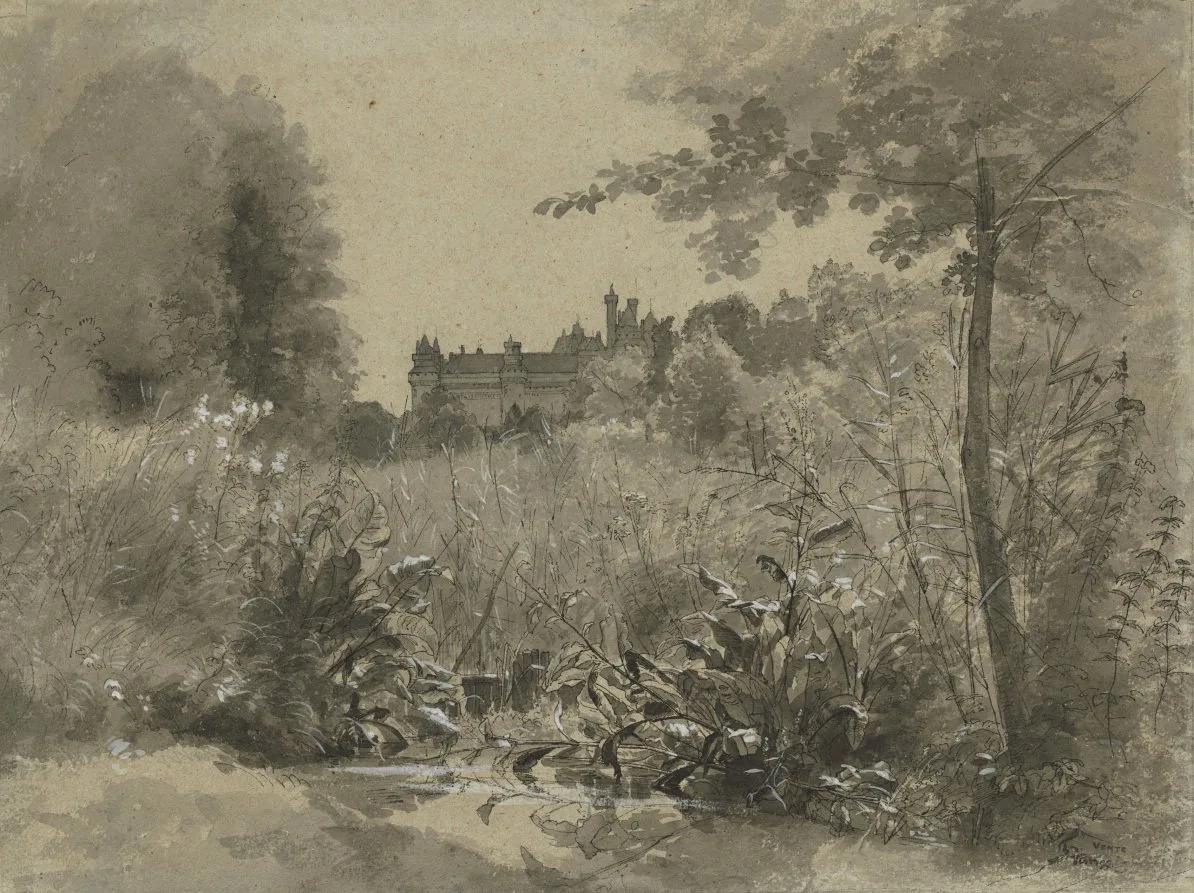
Most of the art market now runs through a screen, and that removes the check buyers used to rely on without noticing it. Standing in front of a picture tells you about scale, surface, repairs and the general seriousness of the room it hangs in. A photograph tells you about none of that. Buying at distance works well, but only if you replace the lost information with questions and documents.
The risks split into three kinds. The seller may not be who they claim, the work may not be what the listing says, or the object may arrive damaged with nobody accepting responsibility. Each has a different defence, and confusing them is how people end up insured against the wrong problem. Sort out which one you face before you decide how careful to be.
Check the seller before you check the picture
A gallery with a physical address, a trading history and membership of a recognised dealers association is a very different counterparty from an account created last month. Search the business name alongside the word complaint and read what comes back. Ask how long they have handled the artist and whether they work with the studio directly. Sellers with nothing to hide answer those questions quickly and in writing.
Marketplaces vary enormously in what they guarantee. Some vet every seller and hold funds until delivery is confirmed, others simply host listings and step aside if something goes wrong. Read the buyer protection terms before you bid rather than afterwards, and note the deadline for raising a claim. That deadline is often much shorter than the time it takes a shipment to clear customs.
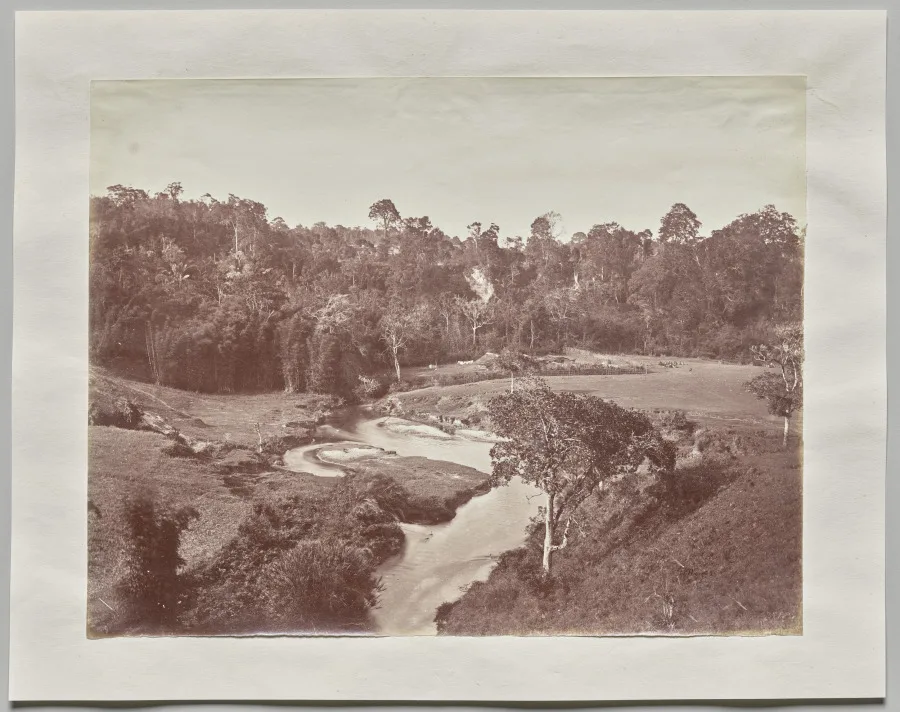
Reading condition at distance takes effort that most buyers skip. Ask for raking light images taken from an angle, a photograph of the reverse, a close view of any signature and a shot of the work out of its frame. Ask directly whether the piece has been restored, relined or retouched, and get the answer in an email rather than on a call. A seller who will not photograph the back of a painting has told you something already.
- Verify the seller first: physical address, trading history, association membership and named contact
- Request raking light photographs, a shot of the reverse and a close view of any signature
- Ask in writing whether the work has been restored, relined or retouched at any point
- Get the full invoice with medium, dimensions, date and attribution stated in plain terms
- Pay by card or escrow so the transaction can be reversed, and avoid bank transfer to a new seller
- Confirm who insures the shipment in transit and how many days you have to report damage
Payment method is the single most useful protection available to a private buyer. Card payments and escrow services can be reversed when goods never arrive or arrive misdescribed. A bank transfer cannot. Sellers sometimes offer a discount for transfer and the discount is rarely worth the exposure on a first transaction with somebody you have never met.
Shipping is where most disputes actually happen
Paintings travel badly when packed by people who do not pack paintings. Agree in advance who arranges the crate, who insures it, and what value it is insured for, since a shipper default limit can be a small fraction of what you paid. Photograph the parcel before you open it and photograph the work immediately after. Most carriers and marketplaces impose a short window for damage claims, often measured in days.
If the seller answers awkward questions slowly and vaguely, that is the answer. Buy from people who put things in writing without being asked twice.
None of this makes online buying risky in itself. Established dealers now sell serious work by email as a matter of routine, and auction houses take bids from people who never see the sale room. The buyers who get hurt are almost always the ones who moved fast, paid by transfer and asked nothing in writing.
Frequently asked questions
How can I check that an online seller is legitimate?
Look for a physical address, a phone number that someone answers, a returns policy in writing and artists who confirm the gallery represents them. Run a reverse image search on the pictures. A listing that appears on five sites at different prices is a warning.
What should I ask before paying?
Ask for photographs of the back, the edges and the signature under raking light, a condition report, the exact dimensions and the shipping method. A serious seller answers these within a day.
Is it safe to buy from the artist directly online?
Usually, yes. Check that the social account links to a website with a real exhibition history, pay through a method with buyer protection, and keep every message about the sale.
Not sure which step comes next?
Stuck on this step?
Ask about your own case
Send us the work, the price or the seller you are unsure about. We read every message and answer by email — no bot, no sales call.
Some links in this guide are partner links, labelled [affiliate] where they appear. If you buy through one, we get a small commission and your price stays the same. How we decide what goes in a guide.
Last reviewed: