
Getting Started
How to invest in emerging art
Emerging art is the part of the market where research still beats capital. This guide covers the signals that predict a rising artist, the costs nobody quotes and how to size a position sensibly.
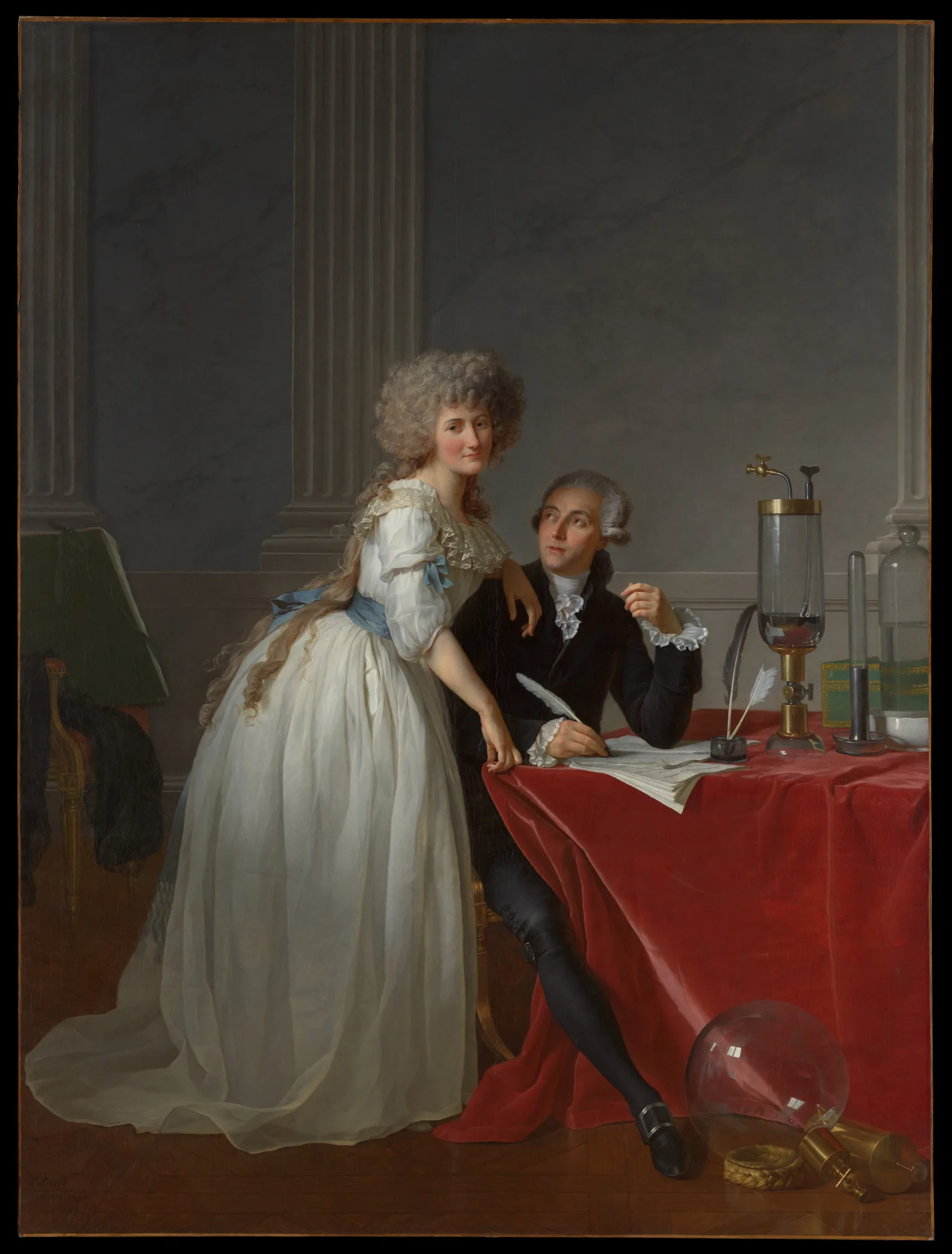
Emerging art is the one corner of the market where research still beats capital. At the blue chip end everything is documented, priced and contested by people with better information than you have. Lower down, a painter with two museum group shows and a serious dealer can still be bought for the price of a used car, and the reason is distribution rather than quality. Closing that information gap is the whole job.
It also needs saying plainly that most emerging artists never become expensive. Careers stall, dealers close, painters stop painting. Anyone who tells you a particular young artist is a reliable investment is selling something, and the honest version of this activity treats every purchase as a work you would keep happily if the market never noticed. That test removes about half the bad decisions before they are made.
Signals that actually predict a career
The useful signals are institutional rather than commercial. A museum acquisition, even a small one, means a committee argued about the work and wrote it down. A second solo show at the same gallery means the first one sold and the dealer wants to continue. Inclusion in a curated biennial or a serious survey exhibition puts an artist into a conversation that critics and other curators read. Social media following predicts almost nothing about prices five years out.
Watch who else is buying as well. When two or three collections with a known focus acquire the same artist inside a year, that is a group of people with access to studio visits reaching the same conclusion independently. Dealers will tell you this happened if you ask directly, because it helps them. What they will not volunteer is how many works from a given series remain unsold in the back room, so ask that too.
Costs are where paper returns go to die. Framing a work on paper properly runs into the hundreds, shipping a stretched canvas across a border costs more than most buyers expect, and insurance, storage and eventual selling commission all take their cut. A gain that looks handsome on the sticker price can be flat once those are counted. Work out the round trip cost before you buy, not after somebody offers to sell the piece for you.
- Set the total you are prepared to lose entirely, and treat that figure as the size of the whole programme
- Buy across six or eight artists rather than concentrating everything in one name you feel certain about
- Check exhibition history and any museum acquisitions before you look at the price
- Ask the gallery how much of the current series is still available and who else has bought from it
- Add framing, shipping, insurance and selling commission to the purchase price and judge the deal on that number
- Hold for at least five years, since the resale market for young artists punishes quick flipping hard
Flipping deserves its own warning. Galleries track who resells early work, and a buyer known for putting studio purchases into auction within a year stops getting offered anything good. The primary market runs on relationships and it has a long memory. Holding is not merely polite, it is the condition of continued access to the artists you want.
How much of a portfolio this should be
Art is illiquid, it pays no income, and the costs of holding it are real. Financial advisers who cover the subject at all tend to place collectibles as a small satellite around a conventional portfolio rather than as a core holding. That framing is sensible for emerging work in particular, where the dispersion of outcomes is enormous. The picture on the wall pays a dividend in daily use, and that dividend is a large part of the honest return.
Treat every purchase as money spent rather than money placed. If the work has to appreciate for the decision to have been correct, the decision was already wrong.
The collectors who do well in this segment behave like patient researchers rather than like traders. They read exhibition lists, they visit studios, they buy a little every year and they wait. None of that is glamorous and all of it is available to anybody willing to spend the evenings.
Frequently asked questions
Is emerging art a good investment?
Most of it loses money once you count fees, framing and the years it sits unsold. A small number of artists move up sharply, and nobody picks them reliably in advance. Treat it as spending with a chance of return, not as a savings plan.
What signals suggest an artist's prices might rise?
A steady exhibition history, a gallery that has kept its artists for a decade, museum purchases and a waiting list at the studio. None of these guarantees anything. They tell you that people with more information than you are paying attention.
How long should I hold a work before selling?
Five years is a realistic minimum. Auction houses discount recent purchases, and a gallery that sold you a work will not welcome a quick flip. Faster sales almost always cost you the margin.
Not sure which step comes next?
Stuck on this step?
Ask about your own case
Send us the work, the price or the seller you are unsure about. We read every message and answer by email — no bot, no sales call.
Some links in this guide are partner links, labelled [affiliate] where they appear. If you buy through one, we get a small commission and your price stays the same. How we decide what goes in a guide.
Last reviewed: