
Getting Started
How to choose your first painting
The first painting is the one people overthink most. This guide covers how to test a genuine reaction against a passing one, what practical questions matter and which regrets are avoidable.
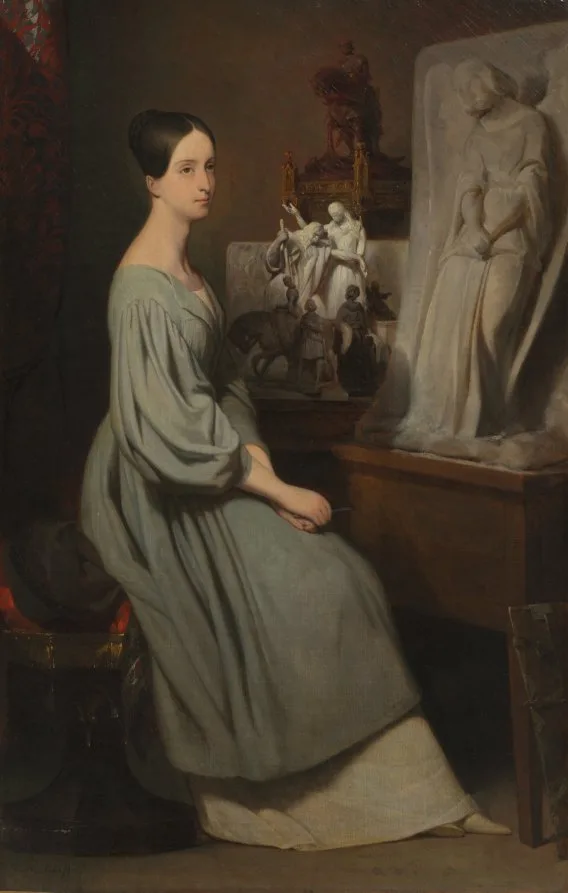
The first painting is the purchase people overthink hardest, partly because it feels permanent and partly because nobody wants to look naive. Both worries are overstated. A first painting is a decision you will revise, and the collectors who own interesting work almost all began with something they later described as an obvious beginner choice. The point is to start looking seriously, not to be right immediately.
That said, there is a difference between liking a picture in a gallery and wanting to live with it. Gallery lighting flatters everything, and a room full of other work creates a mood that your hallway will not reproduce. The test that matters is whether the image stays in your head a week later, unprompted, when you are doing something else entirely.
Test the reaction before you test the price
Go back a second time without telling the gallery you are coming. Look at the work for a full five minutes rather than the twenty seconds most people give it. Notice whether you are still finding new things in it or whether you exhausted it on the first pass. Pictures that keep giving something back are the ones worth hanging, and that quality has very little to do with how much they cost.
Be honest about subject matter as well. Plenty of buyers choose work that signals the taste they aspire to rather than work they actually enjoy, and those pieces end up in the spare room within two years. If you like figurative painting, buy figurative painting. There is no ladder of seriousness in art that requires you to prefer something austere.
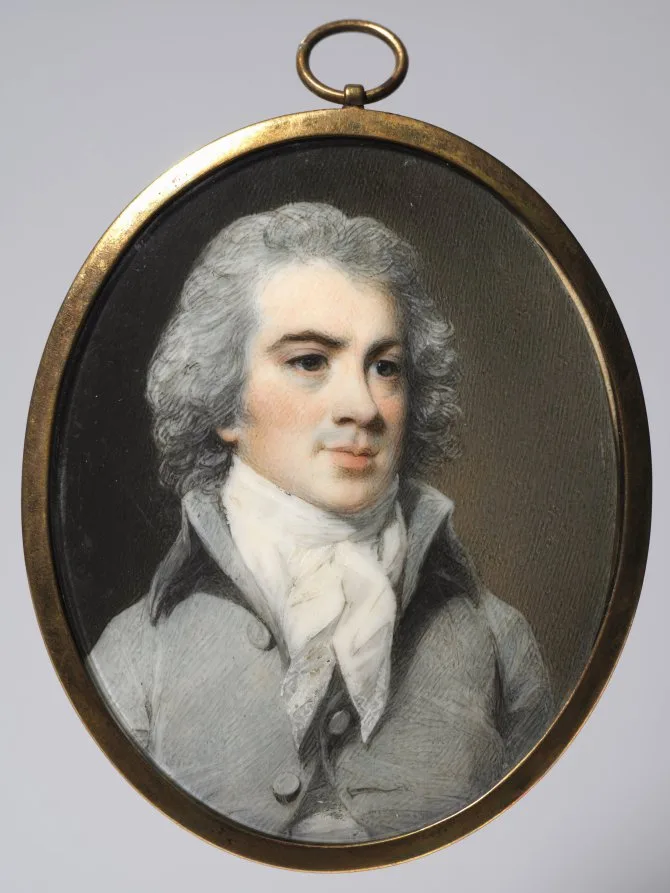
Practical questions come next and they are genuinely worth asking. Scale is the one people misjudge most, since a canvas that reads as modest in a large gallery can dominate a domestic room completely. Measure the wall, mark the dimensions in tape and live with the outline for a couple of days. Light matters too, because direct sun will fade works on paper and watercolour faster than owners expect.
- Visit the work twice, on separate days, and give it five uninterrupted minutes each time
- Wait a week after the second visit and see whether the image is still in your head
- Measure the wall and mark the exact dimensions in tape before you commit to a size
- Check the light on that wall at different hours, since strong sun rules out works on paper
- Ask the price of framing, hanging and any conservation the piece may need soon
- Get the invoice with artist, title, date, medium and dimensions written out in full
Framing is the cost that surprises people. A decent frame with museum glass on a modest work on paper can add a meaningful fraction of the purchase price, and cheap framing damages the work over time with acidic mounts and trapped moisture. Ask the gallery what the piece is framed in and whether the glazing filters ultraviolet light. If the answer is vague, budget for a reframe.
The regrets that are worth avoiding
Buyers regret three things reliably. They regret buying at a fair in a rush because the piece had a red dot appearing nearby, they regret buying something to match a sofa, and they regret not asking for the paperwork. None of those regrets involve paying slightly too much for a picture they love. Price errors fade, taste errors sit on the wall and stare at you.
Buy the work you keep thinking about a week later rather than the work you admired most in the room. Those are frequently different pictures.
One more thing worth saying to a first buyer. A gallery that treats a modest purchase seriously is a gallery worth returning to, and the relationship is often more valuable over ten years than the individual work you bought. Dealers remember buyers who ask good questions and pay on time.
Frequently asked questions
How do I know if a painting is right for me?
Go back and look at it a second time, ideally a week later. If it still holds you, that is the answer. A picture that needed the sales pitch to work will not survive your living room.
What size should a first painting be?
Measure the wall before you fall for the work. Most first purchases are under 60 cm on the long side, which fits a normal apartment and ships without crating.
Original or print?
Either. A signed, numbered print from a small edition is a real work by the artist and often costs a tenth of a canvas. Just make sure you know which one you are buying.
Not sure which step comes next?
Stuck on this step?
Ask about your own case
Send us the work, the price or the seller you are unsure about. We read every message and answer by email — no bot, no sales call.
Some links in this guide are partner links, labelled [affiliate] where they appear. If you buy through one, we get a small commission and your price stays the same. How we decide what goes in a guide.
Last reviewed: