
Primer Notes
Buying prints from 1895 to 1905: editions, states, signatures and marks
Print buying rewards the reader more than the eye. States, blindstamps, collector marks and paper are all checkable facts, and each of them moves the price of an impression from this decade.
Prints from this decade are the best value in turn of the century material, and they are also where beginners lose the most money per object. The reason is that two impressions can look the same and be worth very different sums. Everything that separates them lives in facts you can look up: the state, the paper, the printing date and the marks on the sheet. None of it depends on taste.
Edition practice at the time was loose. Some sheets were printed in a stated number, some were pulled as the publisher needed them, and some exist in a handful of proofs plus a later commercial run. A number written in pencil is a claim about the edition, not proof of it. Treat the pencil as the beginning of the research rather than the end of it.
States, proofs and what the terms cost you
A state is a recorded stage of the plate or the stone before the artist or printer changed it. Early states are usually scarcer and dearer, and the differences can be as small as a line added in a corner. Sellers describe states confidently and are wrong about them regularly. Ask which reference the state number comes from and compare the described change against the sheet in front of you.
Proofs before letters, artist proofs and trial proofs all sit outside the numbered run and are priced above it. That premium is only real when the sheet is annotated by a hand with a reason to annotate it. A modern pencil note reading artist proof on a commercial impression is common and worth nothing. Look at the graphite: old pencil sits into the paper fibres and has a dull grey tone rather than a fresh black line.
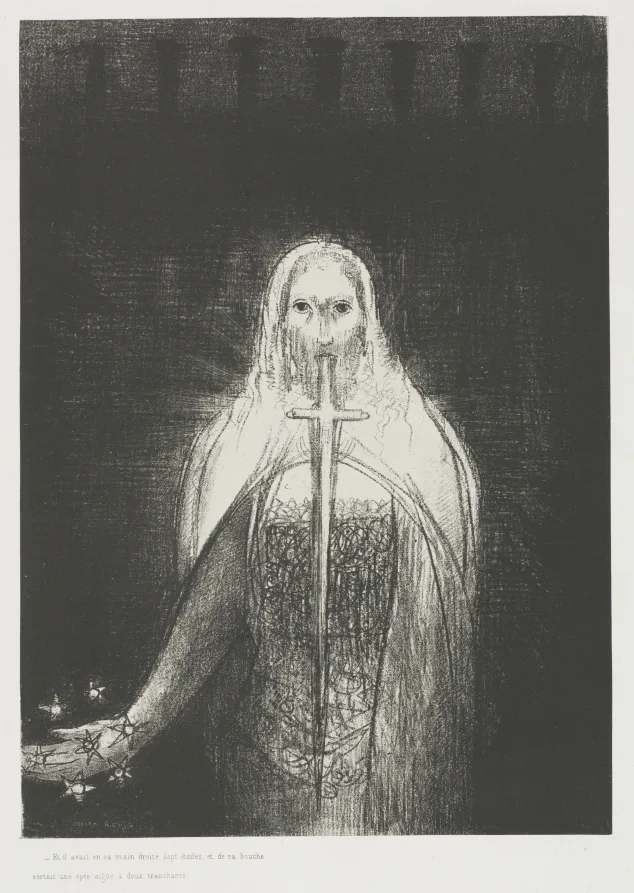
Marks are the part collectors underuse. Publishers and printers pressed blindstamps into the margin, and collectors from this era stamped or inked their own marks on the sheet, usually at a lower corner. Those marks are catalogued in standard reference literature, which means an unexplained one is a research lead rather than a defect. A named earlier owner can add real money to an otherwise ordinary impression.
- Hold the sheet to a light and look for a watermark, chain lines and the texture of the paper
- Measure the image and the sheet separately, because trimming shows up in the second number
- Find every stamp and blindstamp, including faint ones under the mount edge
- Compare the described state against a catalogued reproduction rather than against a memory
- Check the plate mark on an intaglio print for softness, which suggests a late impression
- Ask directly whether the impression was printed during the artist lifetime or afterward
Late and posthumous printings are legitimate objects and they should carry legitimate prices. Many plates stayed in publisher hands for decades and were printed again when demand appeared, sometimes long after the artist had died. Those impressions often look softer, with the burr worn off a drypoint and the blacks turning grey. If the seller cannot say when the sheet was printed, price it as a late impression.
Condition, which decides more than rarity
Paper problems are visible and expensive. Light staining from an old mat, foxing, a trimmed margin, a repaired tear or a sheet laid down on board will each take a share of the value, and together they can take most of it. Turn the sheet over, since the back tells you about tape, glue and old hinges. Never buy a framed print without seeing it out of the frame or getting the right to return it.
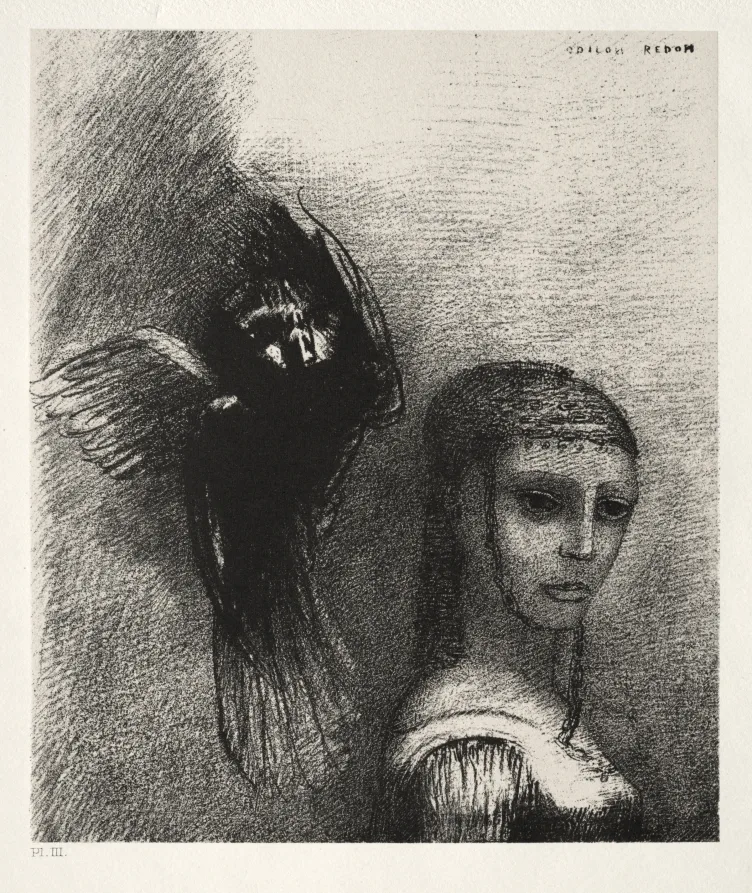
An impression is not a picture you buy once, it is a document you have to read before you own it.
Train your eye where the objects are catalogued properly. The print rooms at the Art Institute of Chicago and the Cleveland Museum of Art publish sheet dimensions, paper descriptions and printing dates alongside the images. Read a dozen entries closely and the phrasing that sellers use to avoid those facts becomes obvious.
Frequently asked questions
What is the difference between an original print and a reproduction?
An original print was made from a plate, stone or block that the artist worked on or supervised. A reproduction copies an existing image by photomechanical means. The first is a work of art in its own right, the second is a picture of one.
What do edition numbers mean for prints from this period?
Not much. Numbered editions became common only after 1900, and many fine prints of the 1890s were never numbered at all. Look at the state, the paper and the printer instead.
Which prints from 1895 to 1905 are still affordable?
Lithographs from L'Estampe Moderne, Pan and The Studio, small etchings by artists outside the top names, and Japanese influenced colour woodcuts from Vienna and Britain. Many sell for a few hundred dollars.
Still deciding? Take the next step.
Stuck on this step?
Still unsure what this means for you?
Notes stay general on purpose. Describe your own case — the work, the price, the seller — and we will answer by email.