
Getting Started
How to Buy Your First Original Painting: A Practical Guide
Define your preferences, set a complete purchase budget, and find the right painting size. Build a shortlist, prepare questions for the seller, and check the essentials before you pay.
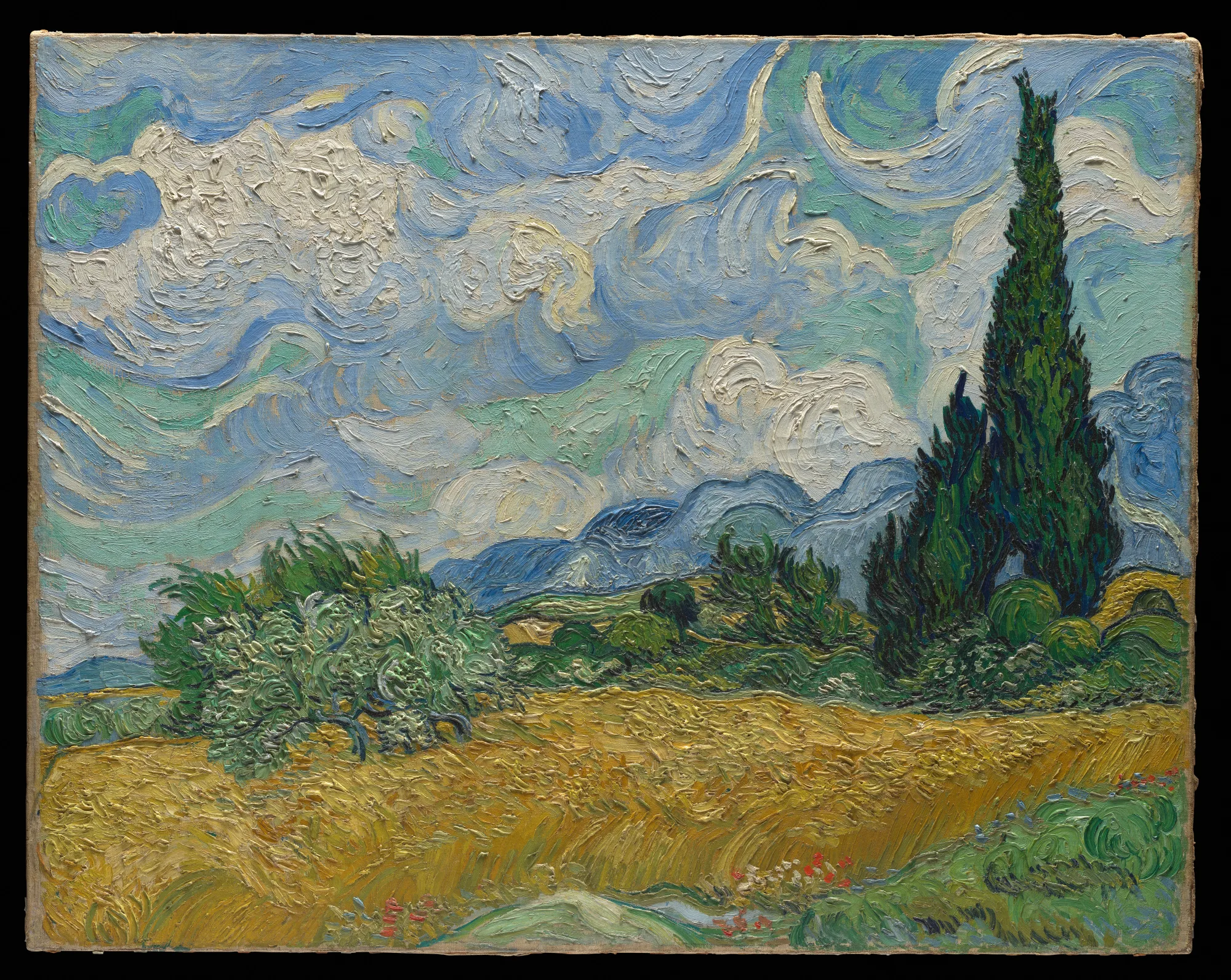
Choosing your first original painting is easier when you know what you like, how much you can spend, and where the artwork will hang. This guide takes you from identifying your preferences to checking the seller and receiving your purchase. The museum artworks below provide examples for comparing subjects, formats, and painted surfaces.
Define Your Preferences and Total Budget
Save several artworks you keep coming back to, and note what draws you to each one: the subject, color combinations, light, or brushwork. Then describe your preferences in everyday language, such as “a peaceful landscape, muted colors, and visible texture.” You do not need to know the name of an art movement: these observations are enough to narrow your search.
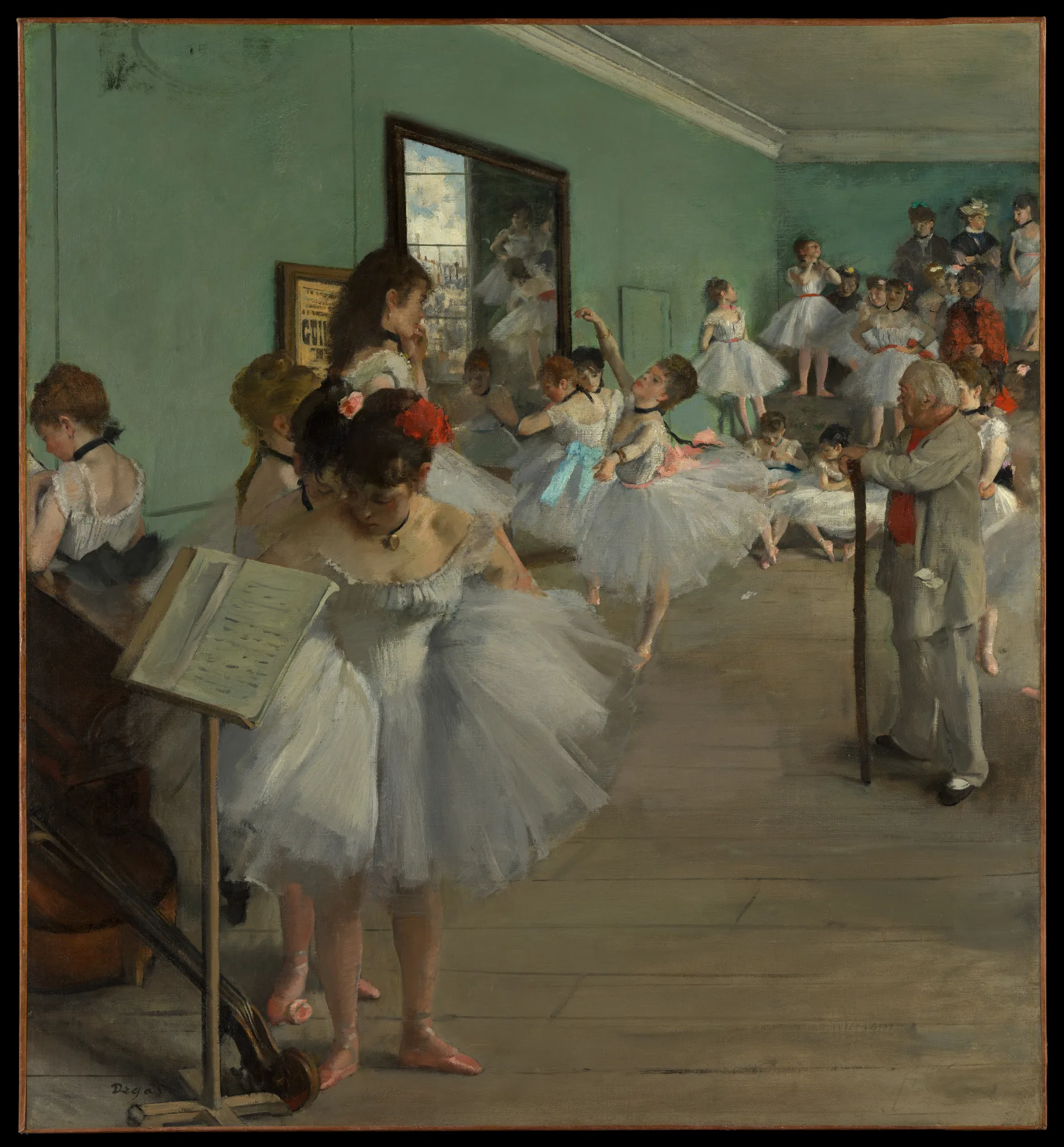
Consider the mood of the scene as well as its colors: would you enjoy seeing movement, a crowded room, a portrait, or an empty shoreline every day? Degas’s ballet classroom offers a useful way to explore whether you enjoy a narrative scene with many figures. Also note anything you find tiring, such as sharp contrasts, unsettling subjects, or dense detail.
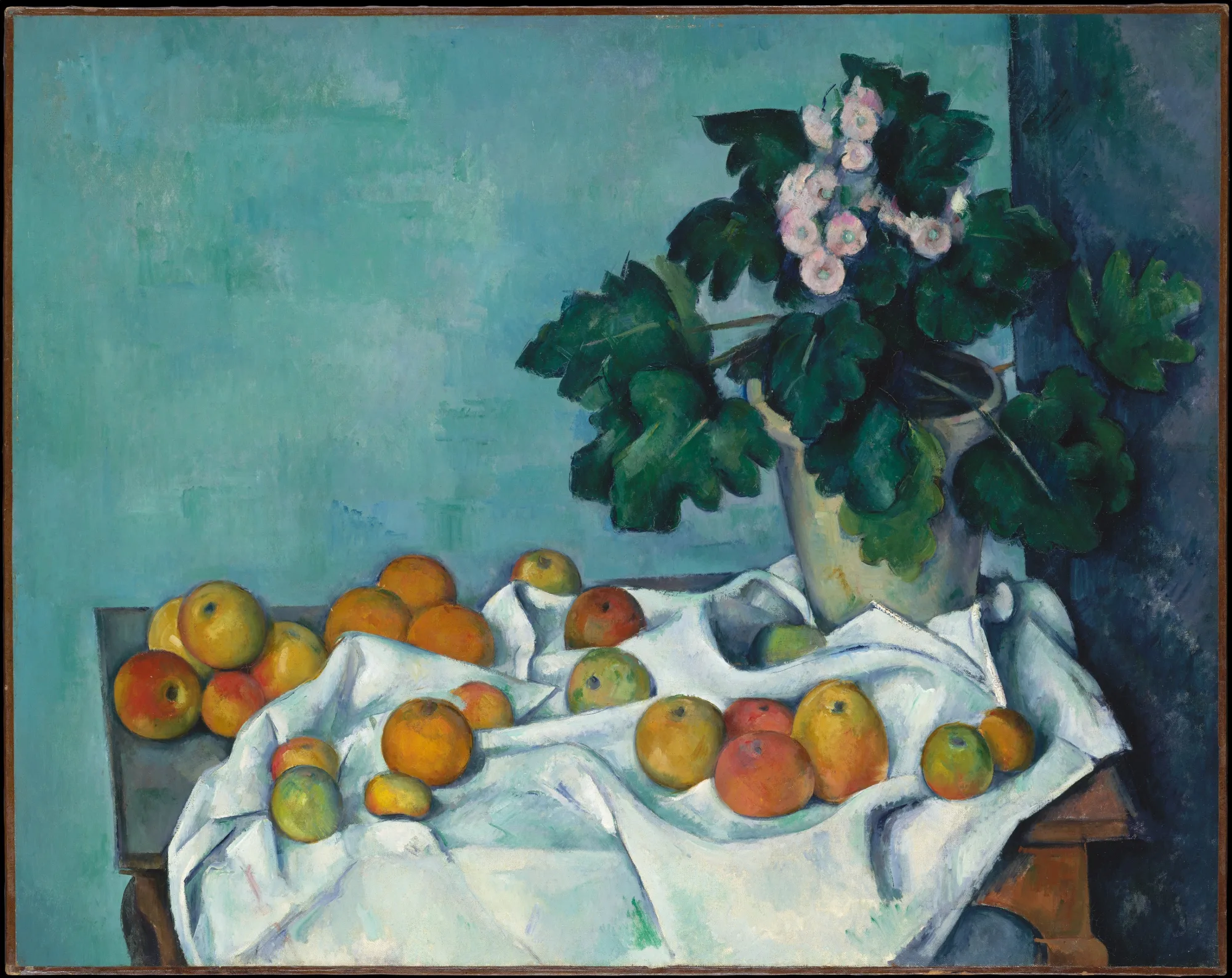
Set a limit for the entire purchase, then request a price for each additional expense. Beyond the painting itself, your total may include framing, packing, shipping, transit insurance, installation, and applicable fees. If the seller has not provided a particular cost, treat your budget as incomplete and clarify it before paying.
Calculate your maximum artwork price by subtracting confirmed additional expenses and a contingency amount you are comfortable with from your total limit. Decide in advance which factors you can adjust: size, framing, or purchase timing. If a painting exceeds your budget, ask to see other works by the artist and compare them using the same criteria.
- Define your preferences for subject matter, color, mood, and painting style.
- Set a total budget that includes framing, shipping, and additional expenses.
- Measure the display area and determine acceptable dimensions, including the frame.
- Shortlist several paintings and compare them using the same criteria.
- Request information about authorship, provenance, condition, and terms of sale.
- Check the documents and final total, then confirm payment and delivery arrangements.
Choose the Right Size and Build a Shortlist
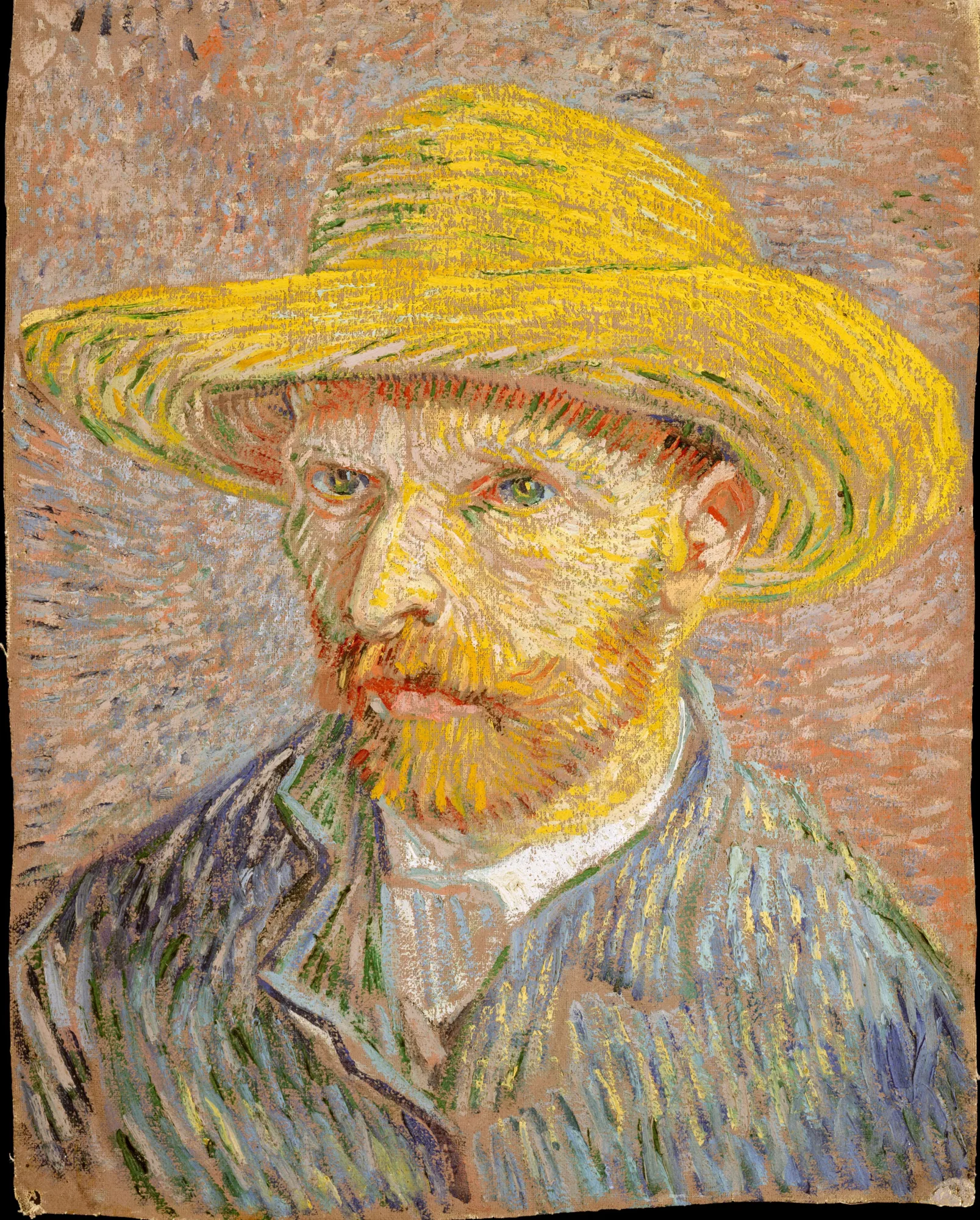
Measure the available wall space and record the height and width of the area where you plan to hang the painting. Note nearby furniture, light switches, and your viewing distance. Do not judge scale from a screen: for example, Van Gogh’s Self-Portrait with a Straw Hat measures just 40.6 × 31.8 cm without its frame.
Make a paper template matching the proposed outer dimensions and place it against the wall using a method that will not damage the finish. View it while seated, standing, and entering the room; compare vertical and horizontal options. Ask whether the listing gives the canvas dimensions or the framed dimensions, and confirm the framed artwork’s depth and weight.
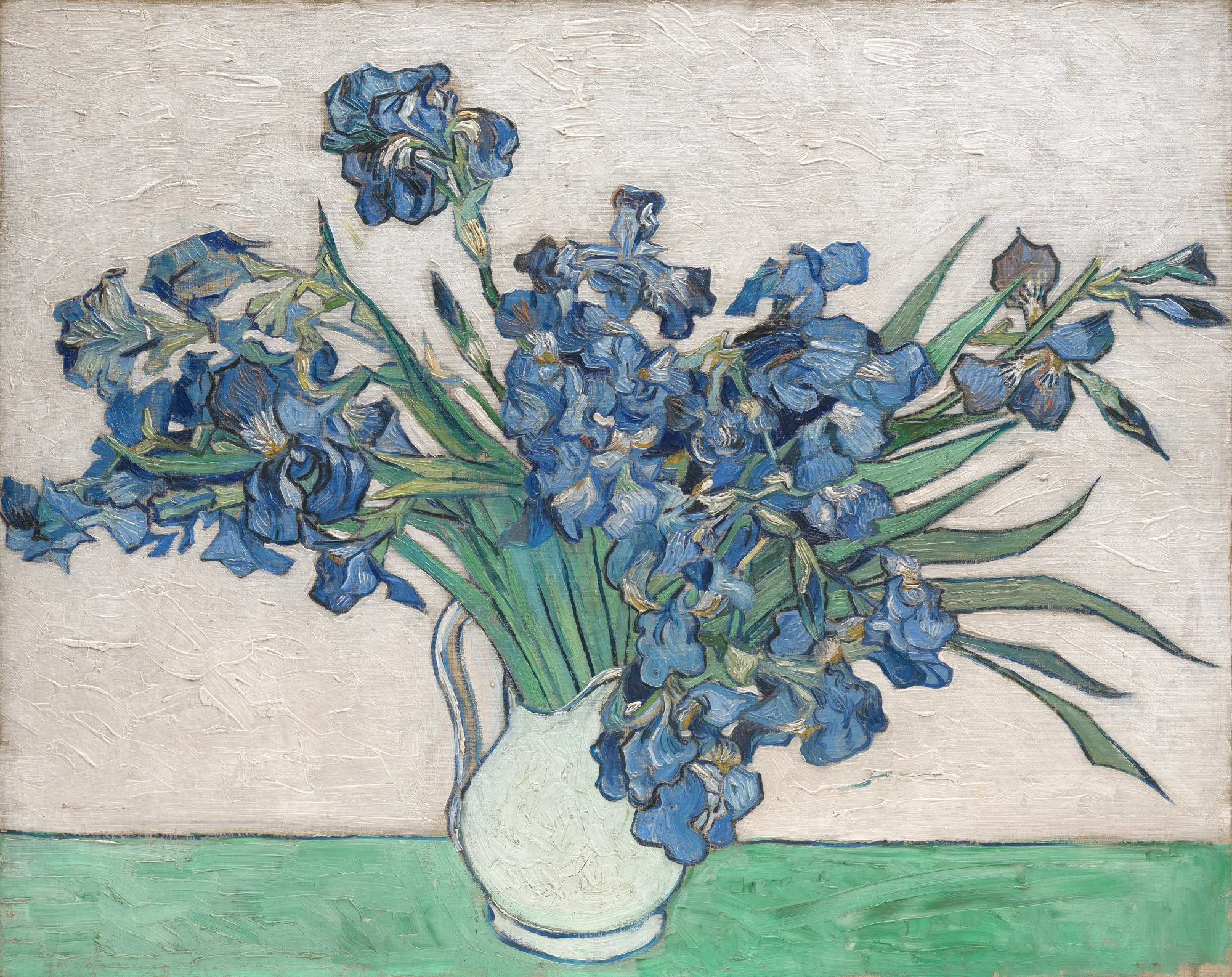
Find the medium and support in each artwork’s listing, such as oil on canvas or acrylic on panel. To decide whether you like the surface, request an overall view and close-ups with light coming from the side. You can practice examining individual brushstrokes and the edges of color patches in Van Gogh’s Irises, then study your shortlisted painting in the same way.
Keep three to five paintings on your shortlist that you enjoy, that fit your space, and that fall within your total budget. For each one, record the artist, title, medium, support, dimensions, condition, total cost, and any missing information. Compare these notes side by side so an impressive listing presentation does not replace your assessment of the painting itself.
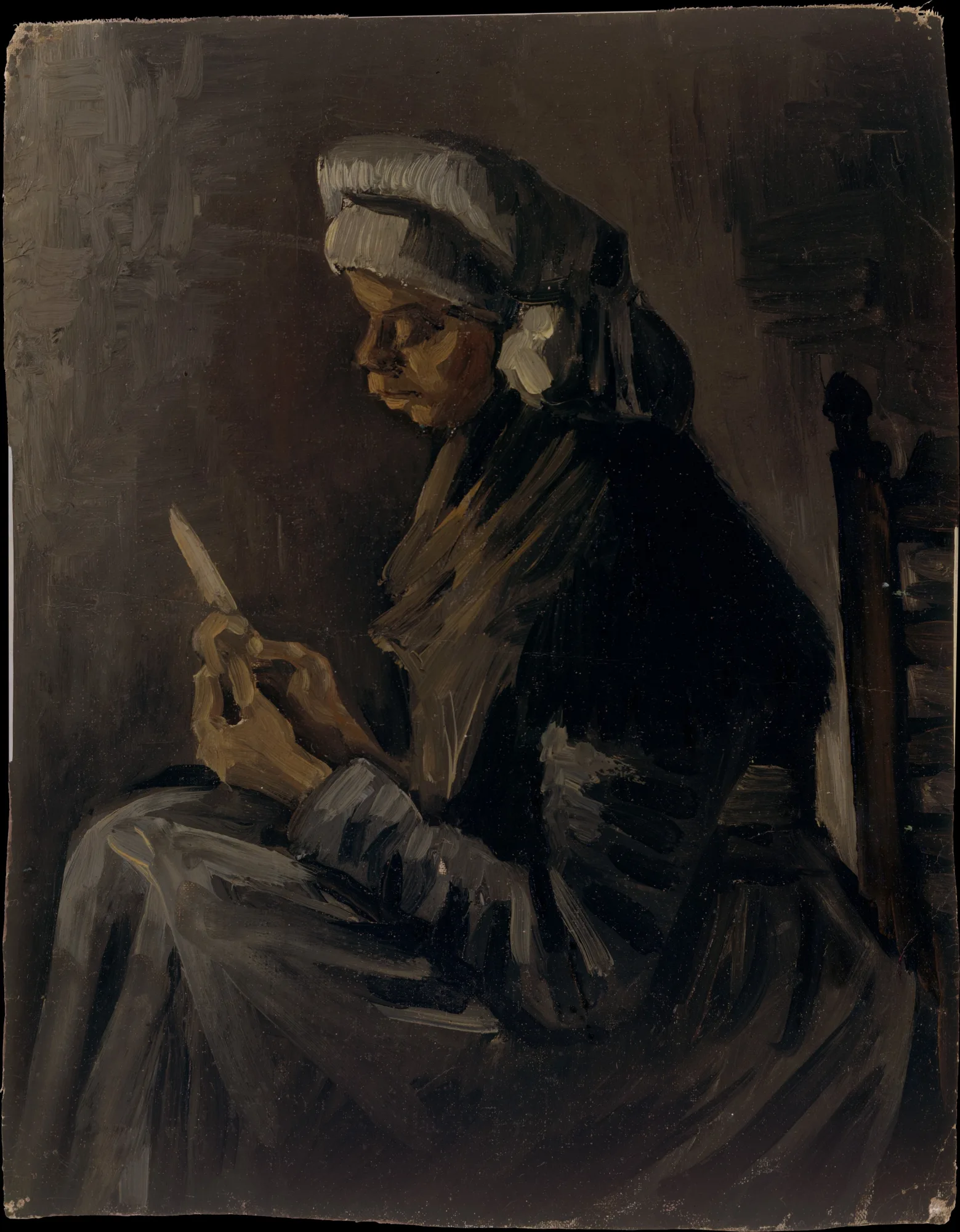
Ask to see the back, edges, stretcher, and any inscriptions, even if you have already studied photographs of the front. On the other side of the canvas bearing Van Gogh’s self-portrait shown above is an earlier work, The Potato Peeler. This is a useful reminder to consider a painting as a physical object with its own history and examine both sides.
Ask the seller to state exactly what is being offered: an original painting, a hand-painted copy, or a printed reproduction. A signature and raised surface texture alone do not establish authorship; ask what supports the seller’s description. When buying remotely, request an unfiltered video and ask about the colors under neutral lighting, remembering that a screen cannot replace an in-person inspection.
Ask the Seller Questions and Check Your Purchase
Find out who is selling the painting: the artist, a gallery representing the artist, or the current owner. Ask the seller to explain the work’s provenance and provide supporting information; when buying from a living artist, verify the contact through an official channel. Consider a certificate alongside other evidence, and consult an independent specialist if you have significant doubts.
Request a condition description identifying damage and known restoration work, along with current photographs of the front, back, and any problem areas. Do not try to determine from a single photograph whether cracking, warping, or flaking paint is harmless. If the condition raises questions, arrange an inspection by an independent art conservator before purchasing.
-
1
Is this an original painting? What information supports its authorship and description?
-
2
What are the title, date, medium, support, and dimensions, both framed and unframed?
-
3
Who owns the painting, and what authorizes you to sell it?
-
4
Can you provide current photographs of the front, back, edges, signature, and close-up details?
-
5
Is there any damage, repair, restoration, or relevant storage history?
-
6
What is included in the price, and which expenses are charged separately?
-
7
Which documents and condition information will accompany the painting?
-
8
What are the written terms for returns, cancellations, and damage during shipping?
-
9
Who packs and ships the painting, what does the insurance cover, and when will it arrive?
-
10
What hanging hardware, framing, and display conditions do you recommend for this painting?
Before paying, obtain written purchase confirmation identifying the parties, the specific painting, the price, and the included services. Check the title, medium, dimensions, and accompanying photographs against your chosen work, and verify the payment details against the seller information you received. Save the return terms and the procedure for reporting discrepancies in advance: do not treat a verbal promise as a confirmed purchase term.
Confirm the packing, shipping method, handover arrangements, and procedure for reporting damage. When the painting arrives, document the packaging and unpacking, then compare the artwork with its description and photographs taken before shipment. If you notice a problem, document it and contact the seller promptly using the agreed procedure, keeping the packaging and correspondence.
Before making your final decision, review the checklist below and mark only the items you have confirmed. If an answer is still missing, return to the seller with a specific question and postpone payment until it is resolved. You are ready to proceed when you enjoy the painting itself, it suits your chosen space, and the artwork details and purchase terms are clear.
-
1
I can explain what I like about the painting and want to see it every day.
-
2
I have confirmed that I am buying an original painting and checked the information supporting its authorship.
-
3
I have tested the framed dimensions in the intended space and know the weight and hanging requirements.
-
4
The total cost, including framing, shipping, and additional expenses, falls within my limit.
-
5
I have compared the painting with other suitable options.
-
6
I have current photographs of the front, back, and details, plus a description of its condition and known treatments.
-
7
I have clarified the seller’s identity, the painting’s provenance, and the seller’s authority to sell it.
-
8
The painting’s description, price, and accompanying documents are confirmed in writing.
-
9
Payment, return, packing, shipping, and damage-reporting arrangements are confirmed.
-
10
I have saved the artwork listing, correspondence, and purchase documents.
Not sure which step comes next?
Stuck on this step?
Ask about your own case
Send us the work, the price or the seller you are unsure about. We read every message and answer by email — no bot, no sales call.
Some links in this guide are partner links, labelled [affiliate] where they appear. If you buy through one, we get a small commission and your price stays the same. How we decide what goes in a guide.
Last reviewed: